Knives Out: Glass Onion became part of a sequel series after Netflix bought it for a record $450 million, surprising the film industry. While the first movie was a big hit in theaters, the sequel went straight to streaming.
With Netflix set to acquire Warner Bros. in 2025, it’s clear the company is still a significant force in the industry.

A New Mystery Franchise for the Streaming Era
The film was released worldwide on Netflix on December 23, 2022. After just a one-week limited run in theaters, it went straight to streaming—a bold move at the time. Although this sparked debate, the film reached over 82 million households in its first weekend, making it Netflix’s most-watched mystery ever.
Some movie fans who prefer theaters criticized the move, but Netflix’s strategy was clear: using its global streaming platform, let the film reach audiences everywhere. It was released simultaneously in 93 countries, offering a new viewing experience compared to the first film’s slower theater release.
Director Rian Johnson spoke positively about this new way of releasing movies. “The theater experience is special, but it’s also wonderful to be able to bring this story to more people,” he said. Thanks to Netflix’s big budget, the film could have even more impressive sets and casting than the first one.
Toward the Third Installment, Scheduled for 2025
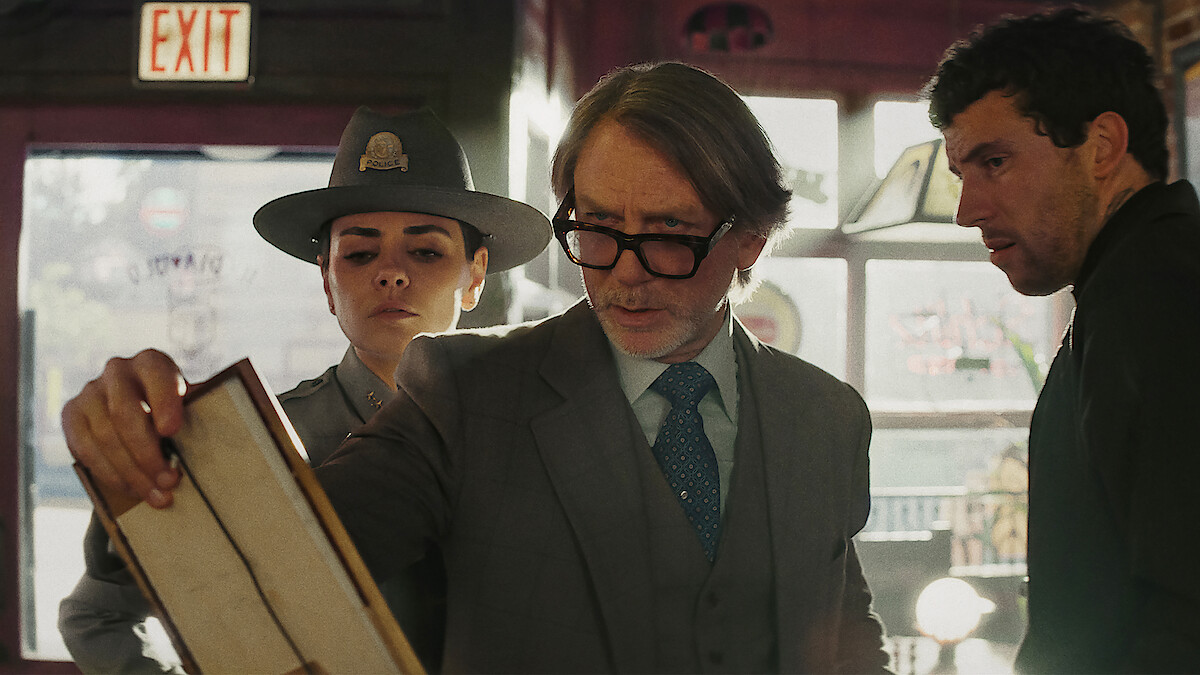
After the series’ success, the third film, Wake Up Dead Man: A Knives Out Mystery, is set for release in 2025. The cast includes Josh O’Connor, Jeremy Renner, Glenn Close, Kerry Washington, and Andrew Scott, all joining Detective Blanc’s following case.
Each film in the series focuses on Detective Blanc but changes the setting, cast, and tone every time. Director Rian Johnson calls the series a “modern-day Poirot,” and with Netflix’s ongoing support, more stories are likely to come.
Netflix Film ‘Knives Out 3’ Releases New Footage! Josh O’Connor × Daniel Craig Take on an “Unsolvable Murder Case” – THR Japan A comprehensive breakdown of the latest information on the Netflix film ‘Knives Out’ series’s new challenging case, its star-studded cast, and release date.
A Delightfully Satirical Tale Targeting the Foolishness of Billionaires
‘Knives Out: Glass Onion’ marked a new challenge for director Rian Johnson. After using classic mystery styles in the first film, he now turns his attention to the wealthy elite of today.
A Stage Set Depicting Modern “Fools”
The film’s set was designed to look like a private Greek island. With Netflix’s big budget, the art team created its most lavish set yet. Features like a Banksy art bridge, robot butlers, and a giant glass onion all highlight the over-the-top luxury of the rich.
Director Johnson intended this opulent set not merely as a backdrop, but as a thematic element central to the story. On the first day of filming, addressing the entire cast and crew, he stated: “This island visualizes the folly of wealth. It looks magnificent, but in truth, it means nothing. That is the core of this story.”
The Legacy of Agatha Christie’s Social Criticism
During the screenplay writing phase, Director Johnson revisited Agatha Christie’s significant works. He noted how Christie’s stories consistently reflected the social issues of their time. Murder on the Orient Express dealt with justice and revenge, Death on the Nile with colonialism, and And Then There Were None with sin and punishment.
“Christie wasn’t just writing mysteries,” Johnson states. “She always used the mystery as a mirror reflecting the society of her time. I wanted to follow her example.”
While the first film focused on immigration and class, this one takes on economic inequality and tech industry troublemakers. The cast includes a Senate candidate, a clueless fashion designer, a sexist streamer, a scientist at a big tech company, and an eccentric billionaire—all exaggerated versions of real people today.
Janelle Monáe’s Core Performance
Janelle Monáe gives the film’s most memorable performance in Knives Out: Glass Onion.
Leap from Music Icon to Actress
Janelle Monáe is a Grammy-nominated artist known for hits like “Tightrope” and “Make Me Feel.” She blends Afrofuturism with soul, funk, and R&B, and has steadily grown her film career.
She demonstrated her acting skills in the Oscar-winning film Moonlight (2016) and in Hidden Figures (2016) as NASA mathematician Mary Jackson.
Taking on Complex Roles
Janelle Monáe plays Andy, Miles’s former business partner. Partway through the film, a major twist completely changes her character. Without giving away spoilers, Monáe skillfully plays two very different roles.
Similarities to Ana de Armas in the Previous Film
In the first Knives Out, Ana de Armas’s character Marta was the real main character. In this film, Janelle Monáe steps into that role.
Both movies follow a pattern: Detective Blanc solves the case, but another main character fights for justice. In the first film, Marta faced unfair treatment as an immigrant. In this one, Andy also struggles with injustice.
Director Johnson deliberately maintained this structure. “Benoît Blanc solves the mystery as the detective, but the true protagonist is always the person fighting injustice,” he explains. “They are the emotional core of the story.”
Monáe fully embraced this role during filming. Her performance gives the story real emotional depth, making it more than just a mystery.
Daniel Craig Delves into Detective Blanc’s Humanity
Detective Benoît Blanc, who stood out in the first film, becomes an even more complex character this time. Daniel Craig dives deeper into the role, exploring Blanc’s inner life.
The World of Billionaires Faced by a Detective with a Southern Accent
We saw little of Blanc’s personal life in the first film, but this time we get a few glimpses of his daily routine. One memorable scene shows him, bored during lockdown, playing the online game ‘Among Us’.
Craig remarked about this scene, “It was important to portray Blanc not just as a genius detective, but as an ordinary human being.” During filming, much of his ad-libbing was incorporated, adding new depth to the character.
The film also shows how uncomfortable Blanc feels in billionaire Miles’s world. He doesn’t fit in with all the luxury, and surrounded by fancy mansions and art, he sometimes seems out of place.
This feeling of being out of place was intentional. During filming, director Johnson told Craig, “Blanc is sharp, but he doesn’t belong in this world.” This approach makes Detective Blanc easier to relate to.
Limitations and Conflict as a Detective
The film also looks at Blanc’s inner struggle as a detective. He can find the truth, but that doesn’t always mean justice is served. “What can a detective do when the whole system is wrong?” This question troubles Blanc.
“I hate being stupid,” Blanc says in the film. This line means more than just modesty. He knows his smarts don’t always bring justice, but he keeps searching for the truth. That’s what makes Detective Blanc so interesting.
A Star-Studded Cast Embodies Modern Fools
The film’s cast includes top actors who take on the challenge of showing a “microcosm of modern society.” Edward Norton plays tech billionaire Miles, a vain fool pretending to be a genius. He steals ideas and uses money and power to silence others.

Kate Hudson’s character Birdie, a fashion designer, is one of the funniest in the film. “What’s a sweatshop?” she asks, cluelessly. She captures influencers’ ignorance in a way that’s funny but not mean, making people laugh while also critiquing real life.
Dave Bautista brings surprising sensitivity to Duke, the tough streamer. He seems rough on the outside, but we see his softer side, especially in scenes where he’s jealous of his girlfriend. These moments show his unexpected depth.
Other talented actors, like Catherine Hahn, Leslie Odom Jr., and Jessica Henwick, also gave unique performances. The cast inspired each other during filming, bringing to life characters that show different sides of today’s world.
A Dual Delight of Visual Pleasure and Intellectual Structure
Knives Out: Glass Onion took on two significant challenges at once: creating lavish art design with Netflix’s big budget, and building a carefully crafted script meant to keep surprising the audience.
The visual overload enabled by Netflix’s money
The private island set is a treat for the eyes. The Banksy-designed bridge, robot butler, and giant glass onion are all flashy and expensive, but also a bit tacky. This mix perfectly shows how empty Miles really is.
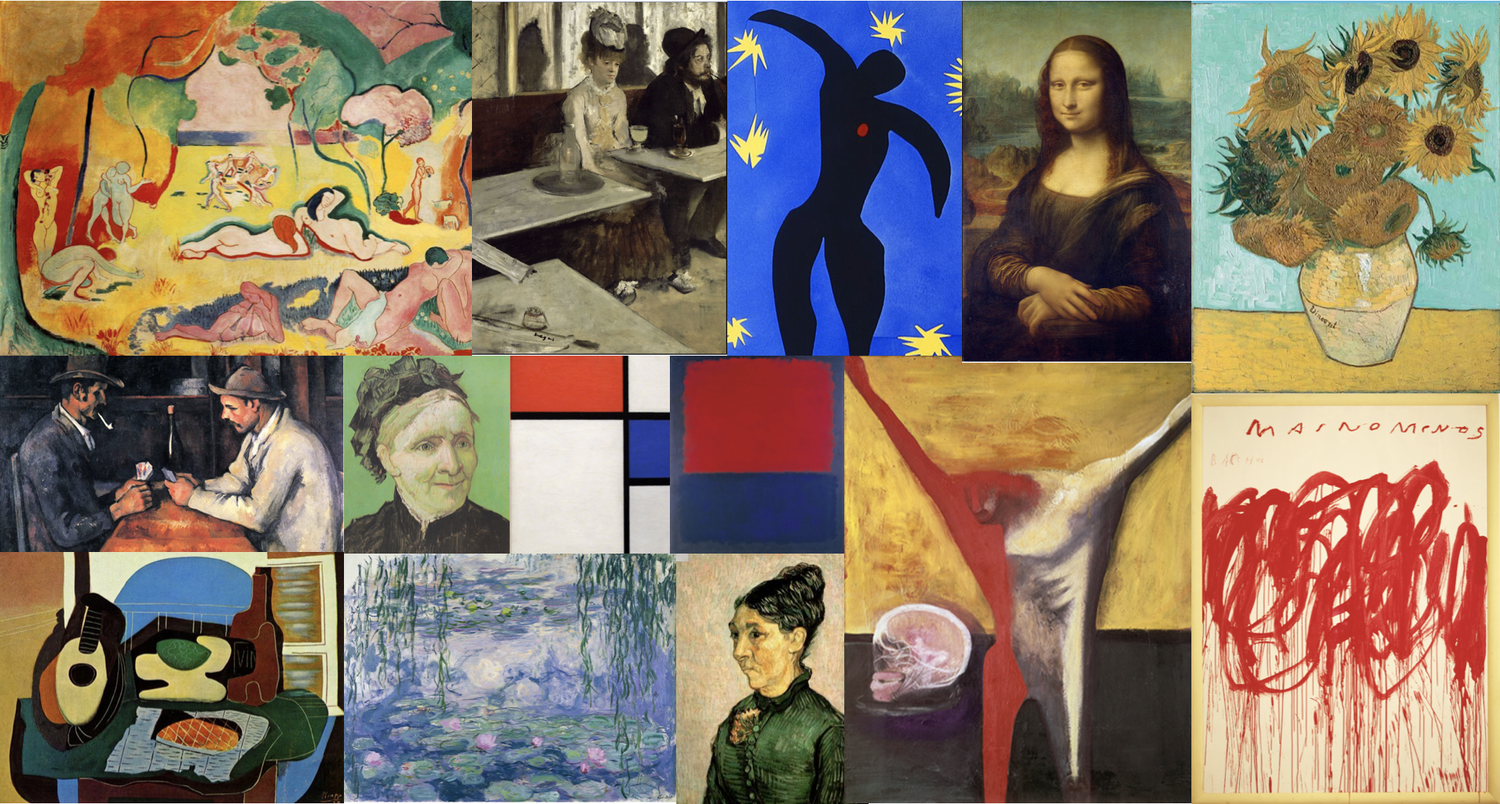
One of the most memorable parts is the plot of the Mona Lisa. In the movie, Miles has the honest Mona Lisa (on loan from the Louvre) in his mansion. It pokes fun at how the rich treat art as just another thing to own. While filming, the crew saw both the luxury and the emptiness of it all.
A Setting Skillfully Incorporating the Pandemic Era
The story takes place during the COVID-19 pandemic, which not only adds realism but also helps define the characters.
The opening scenes show how each character handled the pandemic. Claire follows lockdown rules, while Duke throws parties at home. This contrast highlights their different personalities and sense of responsibility.
Even more striking is the scene where Detective Benoit Blanc plays the online game ‘Among Us’. On set, the actors actually played the game, and this footage was incorporated. This scene symbolically expresses the boredom and loneliness of the pandemic era.
The Shocking Truth Revealed Midway Through the Story
The film’s most distinctive feature is the significant information disclosed to the audience midway through the story—specifically, just past the halfway point of the runtime. While writing the script, Johnson deliberated extensively on this structure. “I wanted to create a mechanism that not only surprises the audience but also makes them want to watch the film again from the beginning,” he explains.
The editors worked hard to make this turning point as powerful as possible. They added hints throughout the first half and showed the same scenes from new angles later, so viewers could think, “Oh, that’s what that meant!”
The Multi-Layered Structure Symbolized by the “Glass Onion”
The title “Glass Onion” reflects the story’s structure. Like an onion, there are many layers, but since it’s glass, you can see through them. The truth is right in front of us, but we often miss it.
The truth seems complicated, but it’s actually simple. Miles looks like a genius, but he has nothing of his own—his success comes from what he took from others. This emptiness is at the heart of the story.
A bolder, angrier sequel
Knives Out: Glass Onion takes a new direction from the first film. While the original felt lighter, this one is funnier, angrier, and more complex.
Balancing Comedy and Satire
The first Knives Out cleverly mixed classic mystery style with modern twists. Social issues like immigration and class were there, but mainly in the background.
In this film, though, social satire is front and center. Director Rian Johnson doesn’t hold back, aiming at today’s wealthy elite. In a pre-production interview, he said, “We were restrained last time, but this time I felt no need for restraint. We see news about foolish rich people every day. It’s time to make fun of them.”
This attitude runs through the whole film. The characters are exaggerated versions of real people today: the tech troublemaker, the influencer, the macho streamer—they’re all types we see in real life.

Enhanced Comedy Elements
Compared to the previous film, this one features more pronounced comedic elements. On set, the actors’ ad-libs were heavily incorporated, resulting in more laugh-out-loud scenes.
Kate Hudson’s performance is especially memorable. Her character, Birdie, is silly but charming. Each time she says something clueless, it’s funny, but it also reminds us that people like her have real influence.
Dave Bautista’s character also has surprising comedic depth. Even though he looks tough and aggressive, he’s actually insecure, and this comes out in funny ways.
Summary: An ambitious sequel delivering exhilarating social satire
Building on the success of its predecessor, Knives Out: Glass Onion is an ambitious film that clearly charts a distinct course. Daniel Craig’s further deepening of his role, Janelle Monáe’s overwhelming presence, and the passionate performances by the talented cast—all function at a level surpassing the first film.
Director Rian Johnson uses the mystery format to criticize today’s wealthy sharply. He turns topics like economic inequality, tech industry problems, and social media’s downsides into entertaining storytelling.
While the first film honored classic mysteries, this one challenges modern society. As “Glass Onion” hints, the truth is right in front of us. The foolishness of the rich, economic injustice, and corruption are all apparent, but we often ignore them.
As a Netflix Original, this film shows how high-quality mysteries can succeed in the streaming era. It proves that a movie can reach a global audience without theaters. With the third film coming in 2025, Detective Benoit Blanc’s story is far from finished.