


The film ‘Avatar: Fire and Ash’ was, as expected, a work where its overwhelming visual beauty remained intact. The visuals, a culmination of director James Cameron’s VFX techniques honed over many years and the overwhelming technical prowess of production company Weta Digital, were so perfect that they made you wonder, “Is there any CG beyond this?”
The Avatar series has always pushed the limits of film technology. When the first movie came out in 2009, its visuals were unmatched. In 2022, ‘The Way of Water’ proved that the technical skills behind the series had only improved.
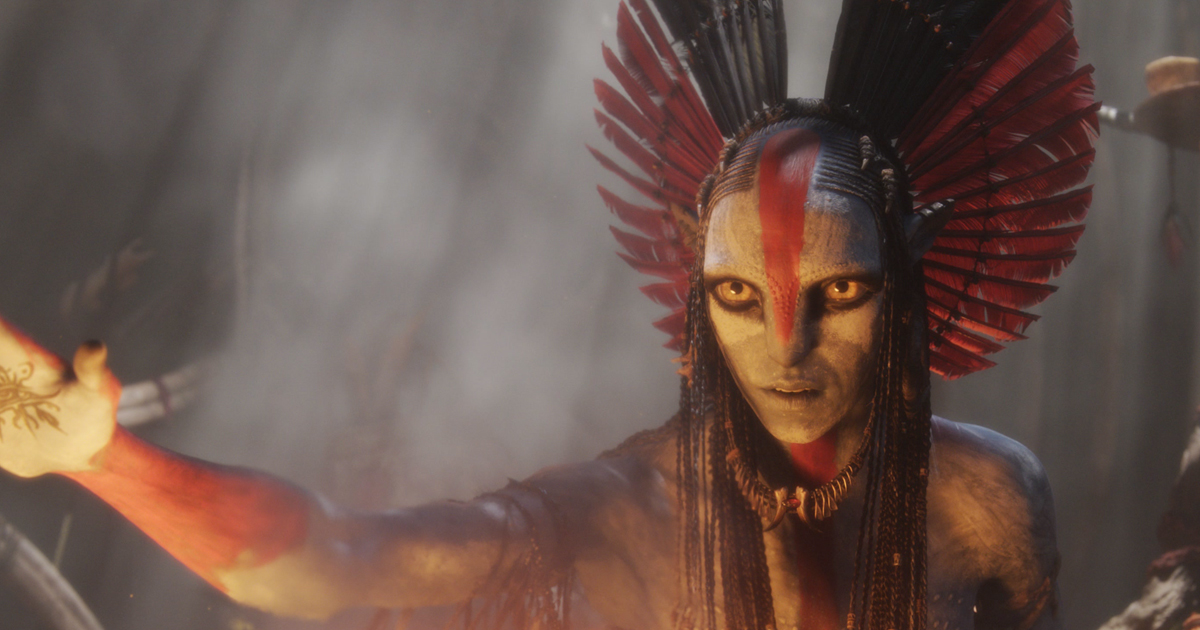
A world where 99% is CG
After finishing the viewing and returning home, I was struck by the realization that “almost none of those images existed in the real world.” Despite the fact that 99% of this film is CG, it feels like a live-action movie. This speaks volumes about the technical prowess of Director Cameron and Weta Digital.
The way waves crash against rocks in shallow waters, the depiction of bubbling surfaces, the texture of creatures, and the reflection of light – all created with CG – were unbelievably realistic. The underwater scene technology, which was already a talking point in the previous film, The Way of Water, had clearly evolved even further in this installment.
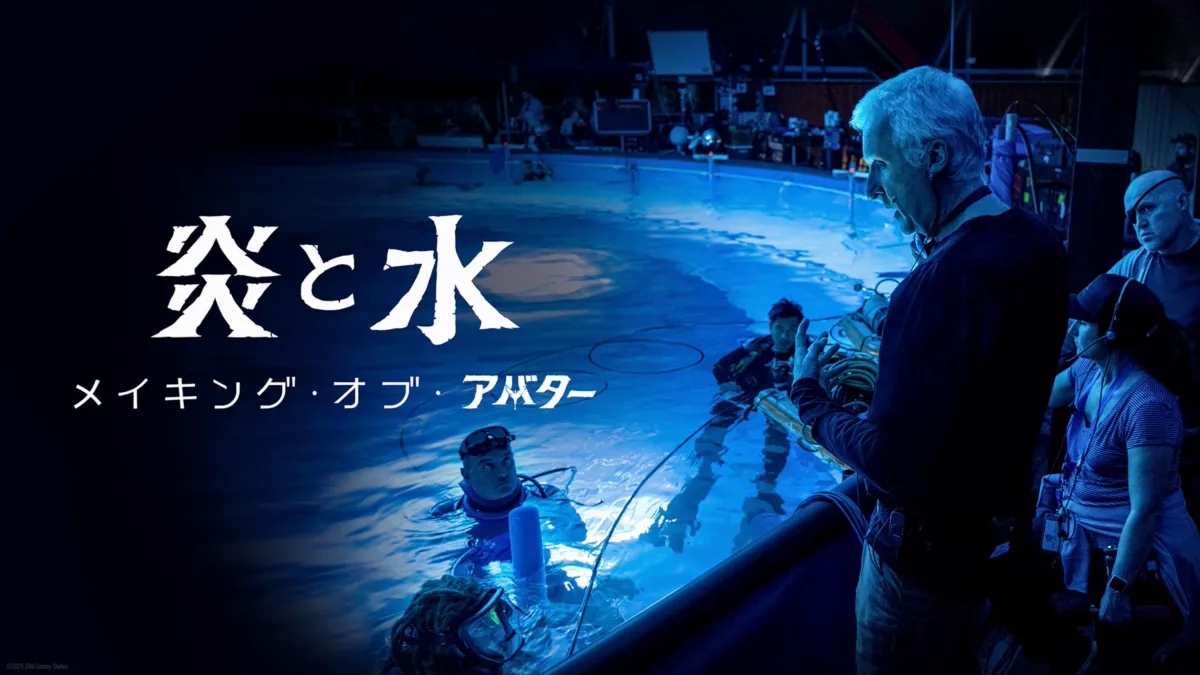
Behind the Scenes from the Making-Of
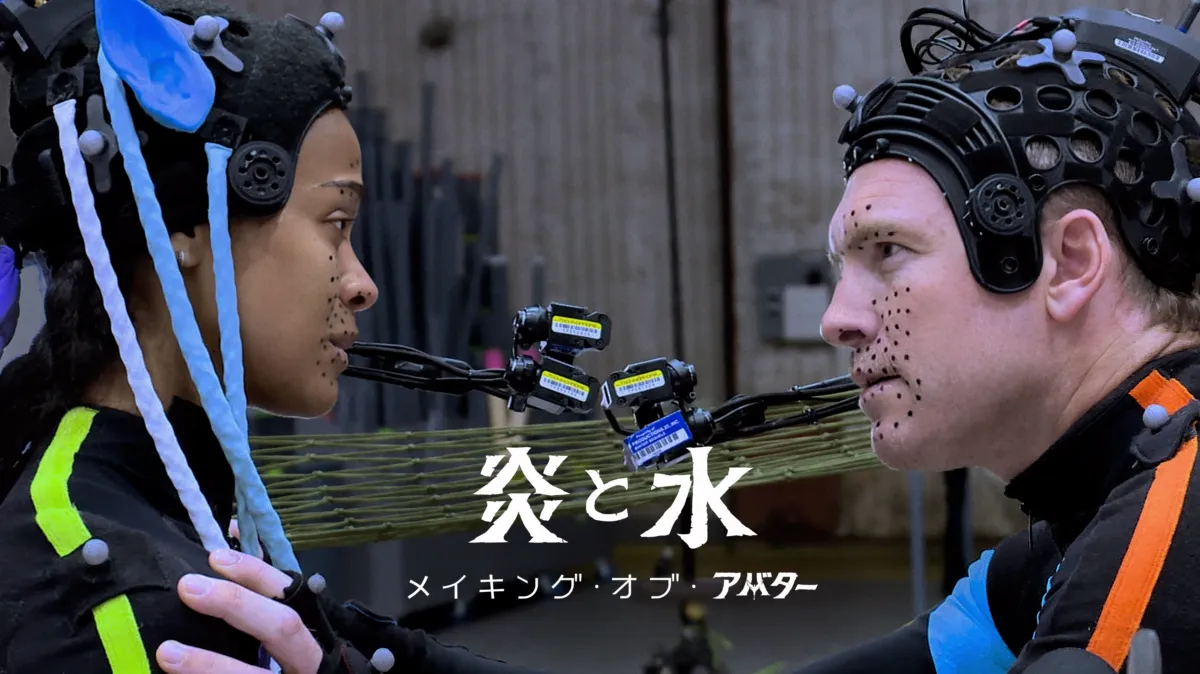
Director James Cameron shares a lot about how the movie was made. The official behind-the-scenes video shows how the actors trained for underwater scenes and how motion capture technology has improved.
Spectacular Action Sequences
The sheer intensity of the action sequences remains a signature highlight of the Avatar series and is one of this film’s major draws. Director James Cameron primarily set up three distinct battlefields: aerial combat, naval warfare, and combat aboard offshore plants, each boasting overwhelming scale and intensity.
The Terror of Three-Dimensional Aerial Combat
A sudden black shadow attacks the journey, delivering the Spider. It was Ash’s people riding ferocious flying creatures called “Night Races.” Their mounts were larger than ordinary Banshees, fierce creatures with sharp claws and fangs.
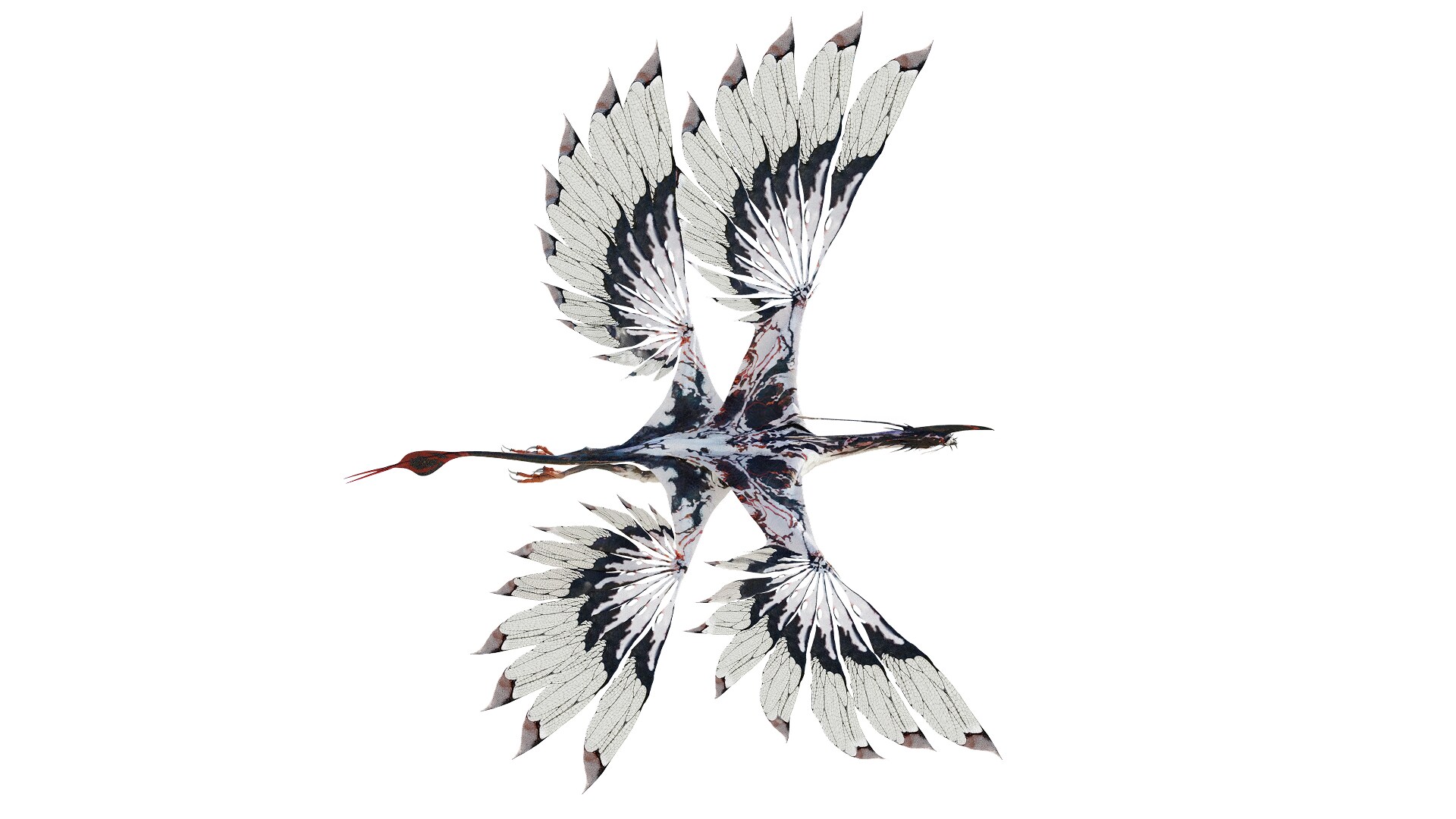
The Ash warriors are wild and fierce, showing what it means to be ‘Warriors Who Lost Their Faith.’ Their brutal fighting style is very different from the graceful way the Na’vi fight.
This attack splits up the Sully family. Right from the start, the movie sets a tense mood, making you feel like even more intense battles are on the way.
The Battle in the Intricate Offshore Plant
Around the midpoint of the story, Jake is captured, leading to a battle scene inside the RDA offshore plant facility to escape. This was a rare scene for the series. The massive metal structure built by humans featured multiple levels, passageways, and pipelines intricately intertwined, creating a labyrinthine maze.
When Neytiri sneaks into the plant and fights her way through, the tension is high. There are gunfights in tight spaces, explosions, and collapsing buildings, all adding up to an impressive scene.
The Essence of Cinematic Revolution, Carving a Path into Pandora’s Depths
Central to this film are two new tribes surviving Pandora’s harsh environment. The over 2,000 costumes crafted by Wētā Workshop transcend mere props, telling the very story of their history.
- The Ash People “Manguan”: Led by their leader Valan, this tribe survives the harsh volcanic terrain and harbors complex feelings toward the benevolent goddess Eywa. Their costumes defy the vibrant imagery that preceded them, featuring stark white and gray tones with an inorganic texture. Sharp weapons crafted from volcanic glass seemed to symbolize their “history of struggle.”
- The Wind Merchants “Tlalim”: Nomads who travel the skies. Their attire, reflecting the vibrant hues of Pandora’s sunset, is a blend of cultures they’ve encountered.
“3D is not a gimmick” – Cameron’s philosophy.
Master filmmaker Cameron pursues further “visual immersion” in this work. As the culmination of 25 years of 3D research, he asserts, “3D is part of the orchestra, just like sound and color.”
- State-of-the-art rig replicating the human eye: Using “beam splitter” technology that combines two cameras via a half-mirror, it perfectly simulates even the subtle movements (like crossing the eyes) the human eye makes when focusing.
- The pinnacle of immersion: Eschewing cheap gimmicks like “throwing things at the audience,” it provides a comfortable yet overwhelmingly immersive experience that makes you “feel the air and depth at a subconscious level.”
The Charisma of the Characters
In the film Avatar: Fire and Ash, the main characters centered around the Sully family each undergo their own struggles and growth.
Jake Sully: A Father’s Conflict to Protect His Family
The protagonist, Jake Sully (Sam Worthington), becomes so desperate to protect his family that he gradually loses sight of his surroundings.
Having lost his eldest son Neytiri in the previous film, he has consistently chosen to “flee rather than fight” in this installment, but he finally reaches his limit.
He orders his sons to hide the bow and arrows once used by his wife Neytiri’s father, harbors inner feelings that his second son Lo’ak “caused his brother’s death,” and holds complex emotions toward Quaritch’s son Spider.
Jake’s overwhelming desire to protect his family has ironically created distance between them.
Neytiri: Between Strength and Vulnerability
Neytiri (Zoe Saldana), who was always shown as a strong warrior before, is now close to breaking down. She’s lost her home, her father, his special bow and arrows, and her oldest son.
Initially, she hated Spider, the son of the Quaritch family, but Jake’s persuasion gradually changes her heart. Jake also remembers that he was once human and an enemy spy, prompting him to try to see Spider’s inner self.
Lo’ak: From Guilt to Self-Affirmation
Lo’ak (Britain Dalton), the second son, feels guilty because he thinks he caused his older brother’s death in the last film.
In this film, he tries to be brave like his brother but struggles to do so. He is portrayed as a character who prioritizes his emotions, often breaks the rules, and makes many mistakes.
He is driven to the point of contemplating suicide, wishing he could just disappear.
Spider: Transformation from Human to Na’vi
Spider (Jack Champion), Quaritch’s human son, changes a lot in this movie.
When his oxygen tank fails, and his life is in danger, Eywa, the Pandoran goddess, lets him breathe the planet’s air.
Spider struggles with wanting to live like a Na’vi even though he’s human. He always has to wear an oxygen mask, can’t connect with Eywa, and can’t bond with animals. He’s always reminded that he’s an outsider.
Honestly, Spider’s growth into a main character was impressive. It felt like the story was setting him up to take over for the next generation.
Colonel Quaritch: A Shifting Arch-Enemy
Colonel Quaritch (Stephen Lang), who has always been Jake’s main enemy, seems less certain in this film. His true intentions aren’t clear.
Early in the movie, Jake and Quaritch, who are usually enemies, fight together to help Spider. This scene was intense and made me think that Quaritch might change. Later, Quaritch’s position becomes shaky after Jake tells him he should live as a Na’vi, and his human boss scolds him. It made me hope Quaritch might switch sides.
But in the end, he stays with the humans, which makes his character feel less consistent. He wants to save his son, but his connection with Varang, the Ash People’s leader, also makes him seem unsure of himself.
The most frustrating part was that he exited the story without a clear resolution with Jake, leaving his fate unknown. While the previous film clearly depicted him being saved by his son, this installment felt like an unfinished development.
Varang: The Female Chieftain Who Lost Her Faith
Varang (Una Chaplin) is a new character and a leader among the Ash People. She’s like a shaman and the spiritual guide for her tribe, which lost its forest to a volcano and now feels abandoned by Eywa.
The relationship between Varang and Quaritch was striking. The scene where Quaritch teaches Varang how to use a gun symbolizes the history of indigenous peoples embracing civilization’s weapons and the resulting escalation of conflict. The scene where they connect via tentacles and share empathy was a uniquely unsettling piece of direction.
However, the lack of depth in exploring the Ash people is regrettable. There was almost no concrete depiction of why they are consumed by vengeance or what their purpose is in dominating Pandora. It was a shame that their presence felt diminished, likely because Colonel Quaritch had taken the villain’s role.
A Sense of Déjà Vu and the Shadow of Budget Constraints
The story of the film ‘Avatar: Fire and Ash’ unfortunately felt like a rehash of its predecessor. In particular, the final act followed a nearly identical structure to ‘The Way of Water’, leaving an impression of a lack of freshness.
Similarities to the Predecessor
Watching the final act, similarities to the previous film, ‘The Way of Water’ were striking.
- Family members are attacked by enemies.
- Giant creatures appear as allies.
- Fighting while riding sea creatures
- The eldest daughter uses her mysterious power to overcome the crisis.
All these things happened in the last movie, too, so this one feels like a bigger version of what we’ve already seen. Even though the visuals are new, the strong sense of déjà vu makes it feel like the story isn’t really moving forward. Honestly, if you played the final parts of both movies back-to-back, it would be hard to tell them apart.
The “Getting Captured Again!?” Loop
What really got to me was how often Jake and the kids get captured and then escape. There were several times when I wanted to say, “Again!?”
First, they’re captured by the Ash People, then by Quaritch, and then again near the end. This pattern gets old fast. After three hours of ‘get captured, escape, repeat,’ the tension justfades away.n.
It happened so many times that I wanted to shout, “Learn already!”
I can’t help but wonder if this was a problem with the script or if they reused scenes to save money.
Lack of Fire Elements
Despite the title’s inclusion of “Fire,” it was disappointing that scenes set in volcanic landscapes were almost entirely absent. While the “Ash People” are portrayed as a tribe that lost their forest to a volcano, there was little actual action in volcanic terrain. With most scenes set by the sea or in forests, the structure made it hard to distinguish from the previous film.
I was hoping to see the human ‘Iron Base’ go up in flames. After everything the Na’vi went through in the first movie, it would have been great to see them fight back. Instead, they spend most of the story on the defensive, which makes things feel less fresh.
A Structure Suggesting Budget Constraints
Watching this movie, I couldn’t shake the feeling that budget limits played a part.
Director James Cameron is famously known for 1997’s Titanic, which exceeded $200 million in production costs, setting the record for the highest budget in film history at the time.
For Titanic’s production, a full-scale replica ship was built, and enormous sums were spent on filming. The studio reportedly grappled with expenditures far exceeding the initial budget, leading to reported conflicts with Director Cameron. While the film ultimately became a massive hit, this experience may have made the studio more cautious about Cameron’s budgets.
Since the previous film, The Way of Water, and this film, Fire and Ash, were shot simultaneously, their similar structures might be a cost-saving measure. Creating new environments and ecosystems from scratch requires enormous budgets, so relying heavily on ocean scenes could have been a way to keep production costs down.
As a transitional phase in the five-part series
Because the Avatar series is meant to be five movies, this one might just be a bridge to the next part. ‘Avatar 4’ is coming out in 2029, and I’m interested to see how the storylines from this film will play out.
Thematic Depth and Social Commentary
‘Avatar: Fire and Ash’ isn’t just entertainment—it also reflects real history and social issues. James Cameron uses the series to show the effects of colonialism and the struggles of indigenous people.
History with Indigenous Peoples
The Avatar series is inspired by the history of Europeans coming to America and their violent interactions with Native Americans. At first, there was trade and negotiation, but as colonization continued, it turned into conflict.
Things got worse when firearms were introduced to indigenous people. Some tribes used guns to overpower others, leading to the breakdown of their societies from within.
In New Zealand, between 1818 and 1836, wars erupted between Maori tribes, known as the “Musket Wars.”
The Symbolism of Fire and Ash
James Cameron says that ‘Fire’ stands for anger and violence, while ‘Ash’ shows the sadness left behind. The movie shows how that sadness can turn back into anger, restarting the cycle.
In one scene, Colonel Quaritch teaches Balon from the Ash People how to use a gun. This shows how giving modern weapons to indigenous people can lead to more conflict.
In the scene where Lo’ak aims a gun, there’s the line, “Touch steel, and poison seeps into the heart.” Taking up arms causes one to lose their original values. This felt like one of the film’s central themes.
The Issue of Racial Bias
One thing that bothered me is that almost all the human characters are white. It’s strange that a movie about colonialism doesn’t show more diversity among the humans.
The Na’vi tribes are shown as culturally diverse, but the humans all seem the same. This takes away from the story’s depth.
Summary: A transitional point in an epic series, where visual splendor alone couldn’t fill the narrative gaps
‘Avatar: Fire and Ash’ is the middle chapter in the five-part series, setting up what’s next. The visuals are still amazing, showing off the skills of James Cameron and Weta Digital.
But the story feels like a repeat of the last movie and doesn’t bring much that’s new. Even though it’s called ‘Fire,’ there’s not much volcanic action. Most of the movie is set by the ocean, making it hard to tell apart from the previous one.
Particularly jarring was the repeated pattern of Jake and the children getting captured and escaping. The frequent “Not again?!” moments diluted the tension, which was disappointing.
Maybe because of budget issues or the need to fit into the five-part series, this movie feels like a bridge. The heavy focus on family drama also made it feel repetitive.
Nevertheless, the series’ signature grand world-building and overwhelming visual technology remain intact. For fans of the franchise, this is undoubtedly a must-see film.
‘Avatar 4’ is set to come out in 2029. It’s a long wait, but I’m curious to see how the movie’s storylines will be wrapped up. We’ll have to be patient to see what James Cameron has planned for the whole saga.